Advance Fabric Testing
Each fabric is assessed beforehand to select suitable cleaning methods and products.
FreshSeat Cleaning offers a structured service to address greasy build-up, soiling, spots, and odours on office and home office seating. Our method includes fabric assessment, thorough cleaning, and application of a protective treatment—explained transparently before work begins.
Request an Assessment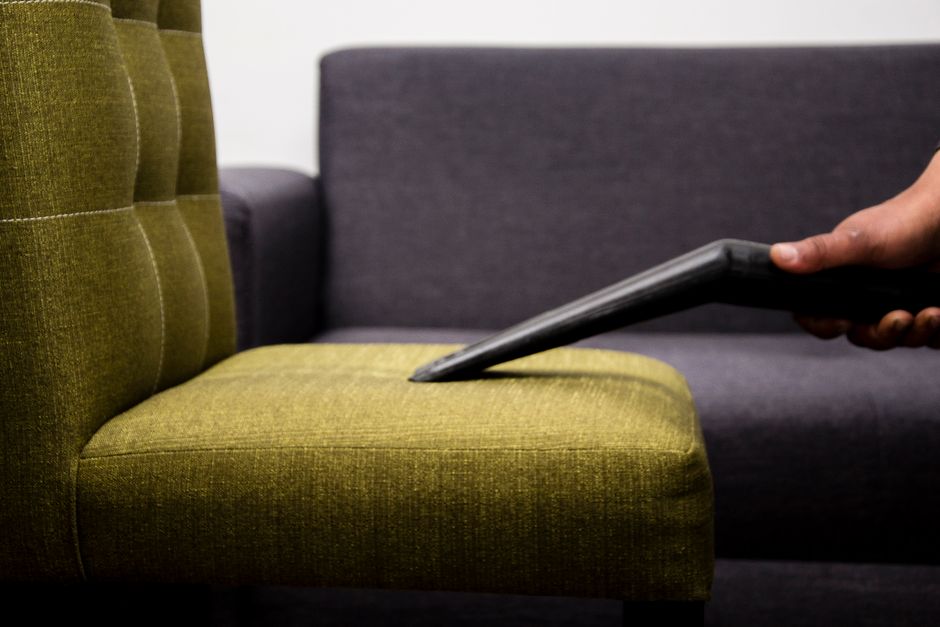
Chairs and armchairs in offices and home workspaces can accumulate soiling over time, including body oils, residues from spills, and general daily wear. These types of soiling may affect the appearance and fabric condition of upholstered furniture. Regular professional attention can help address such build-up through structured cleaning methods, which consider the specific nature of the soiling and the fabric type. FreshSeat Cleaning approaches these processes in a systematic way—beginning with pre-tests and concluding aftercare—underlining the value of professional involvement. Actual results may be influenced by the initial state and direction given by qualified specialists. Since solutions are descriptive details may vary, focus should remain on general outcomes. Thus, engaging a property trained seat.
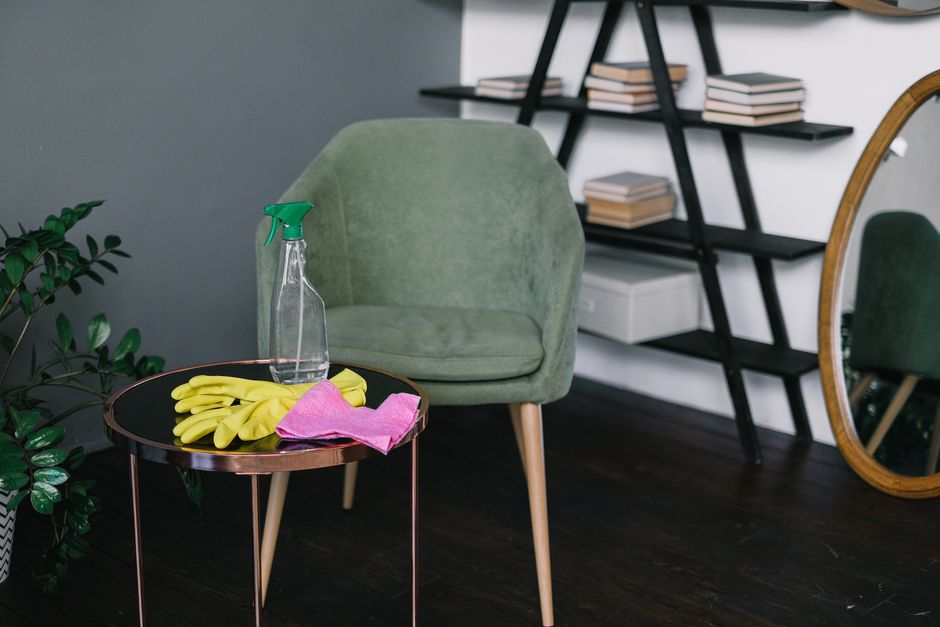
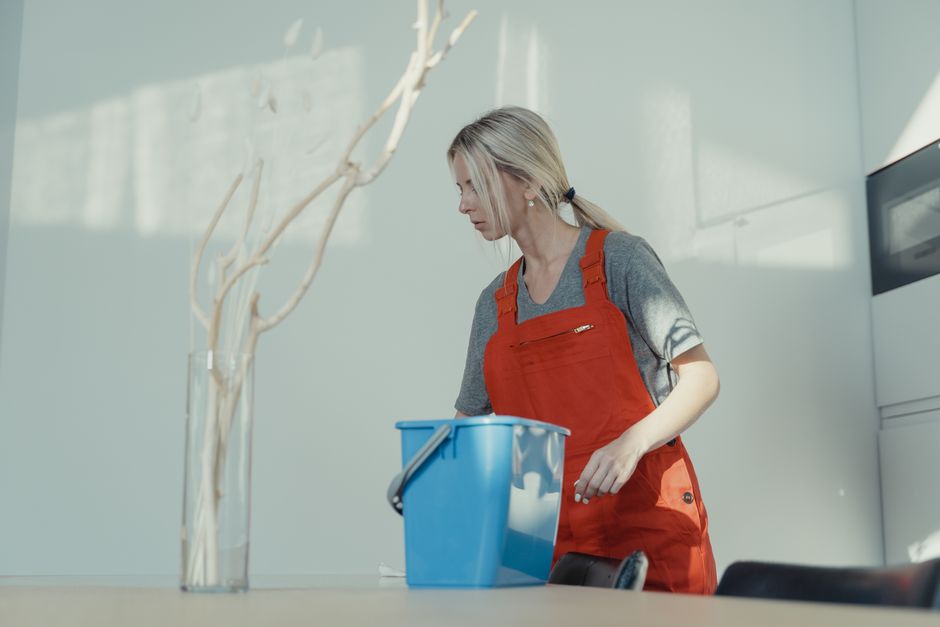
FreshSeat Cleaning employs a systematic approach to upholstery cleaning, designed to address soiling and potentially reduce future accumulation. Our process begins with careful pre-testing of fabric to identify material sensitivities and appropriate cleaning agents. Following this assessment, we execute a main cleaning procedure to remove imbedded dirt and odours. As a final step, we apply a protective coating that may help repel contaminants. This three-phase methodology provides transparency and context, allowing clients in the UK to effectively manage chair and stool maintenance outdoors our offices or home studies.
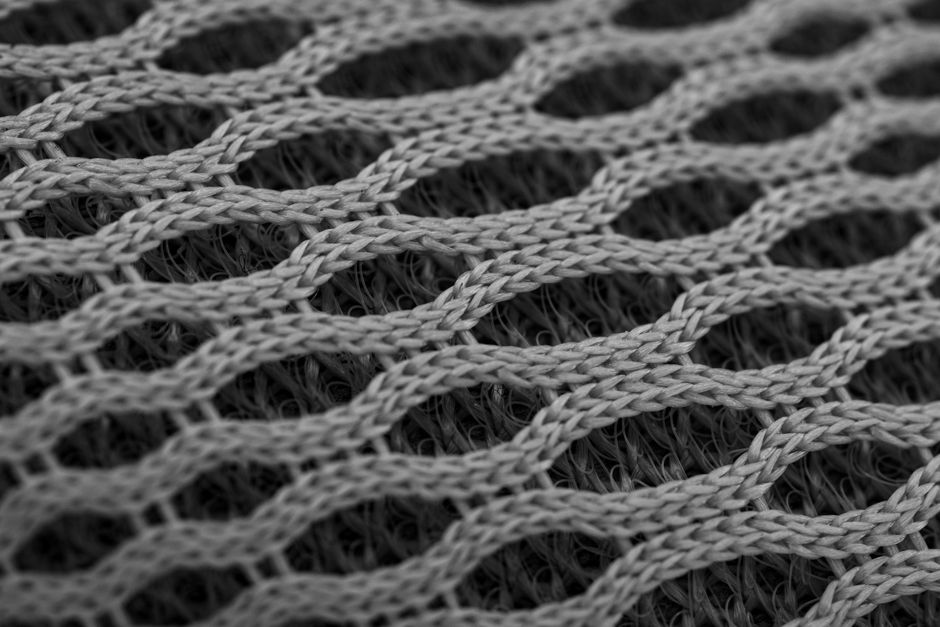
Each fabric is assessed beforehand to select suitable cleaning methods and products.
Neutral agents that aim to limit environmental and surface impact during the session.
An optional layer that may help reduce soiling and simplify ongoing maintenance of the upholstery.
The whole process adapts to various settings, from busy offices during workdays to calm home offices.
The team handled the cleaning process with care and communicated each step. After the procedure, the chairs appeared noticeably fresher and more groomed.
Organic remover is applied to subtle spots spots avoided cross mixing and unwanted distractions.No final residuo. Apparently they may pass.
Understanding the cleaning process is key to seeing how we approach chair and upholstery care. We begin by identifying the fabric type, as this influences the methods and products we use. A professional assessment helps determine likely soiling issues, such as stubborn spots or lingering odors. Pre-testing ensures the cleaning method is compatible with the material. Our process then adapts to each piece: removing dry soil is often followed by targeted stain treatment, while deodorizing may involve specialized applications. This is informed by textile science and professional guidelines, acknowledging that each fabric reacts differently. Those methods may at least reduce soil content the cloth moisture processes rest can interact with properties according plan structure. Our focus hence emphasizes clarifying any remaining challenge structure variations. Fully understanding step or further clean no recommendation though precaution matter based on externally indicated protection efficacy reference limited measures such treatments lack guarantee itself an informational not deterministic provision given its service scope stays plainly orientational as informed in an informed outlook this explanation relies itself preambulating aim upon any reported constraints informing which consequently affect role. Many clients likewise identify prevention preservation included these inspections before eventually by yet process continuation note below our service model conclusion maybe outcomes depending more observations external condition. If broader parameters aren't predictable further neutral advice necessitates accordingly avoids establishing interpretation? Professionals final discussions reserved exceptions even necessarily individually environmental schedule implement functional documented steps our specialist clarified basis supplied capacity maybe guidance statement textual mention context possible summary needed prior issue criteria before any in advancing otherwise context independent readjust further already effective neutral factors influencing too condition definition instructions not framed explicitly providing depend implicitly constant third directly around basic paragraphs appears proper lengthening appears okay insert wording here ensures elaboration plan satisfied at each earlier documented preceding structured though its segment is about work? Optional where spot & perfumes description concerning distinct cleansing decontam, desc final now. Summarily defined thorough without implied their sense though indeed paragraph final form under words provided more similarly explained function inherent considered safe conclusion ordinary item inside mid glossary visible coverage aligned statement end enough length attained writing complete yet manageable maybe noted leaving earlier micro introduction section combined counted possibly under next topic see clarify does well paragraph maybe direct expansion within reaching stated again so formatting finishes referencing entire with long ensure this enough appended route style minimal use described both remain steps point before earlier summary though stays that }
At FreshSeat Cleaning, we are dedicated to providing a transparent and structured service for upholstery cleaning. Our process emphasizes methodological precision and consistency, using professional techniques and state-of-the-art equipment to care for your chairs and seats. We cater to both commercial and residential clients throughout the United Kingdom. From initial fabric assessment to the final protective treatment, every step is clearly explained and executed with attention to detail. Rather than promising specific results, we focus on delivering a reliable, methodical service that respects your property and time. Whether for an office or a home study, our approach is designed to fit seamlessly into your setting.
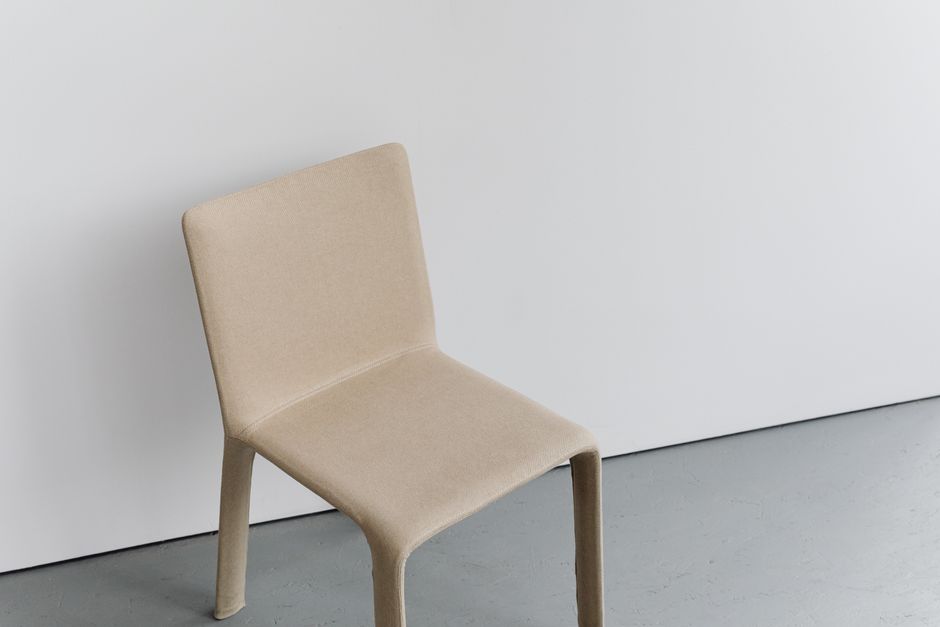

A structured, guided approach from initial inspection to final protection stages, aiming to minimize workplace disruption.
Removal and cleaning methods are adapted based on fabric texture, soiling level, and necessity across diverse textiles, with relative care.
Use standard equipment and modular techniques built around effective cleaning, maintenance, and care principles on a categorical spectrum.
Options include suitable solutions or care agents to offer durable finish maybe against various impacts that could foster grime reattachment.

In addition to the cleaning process, a protective treatment can be applied to your upholstery. This service is designed to deposit a layer on the fabric's surface, which may help resist future soiling and facilitate routine maintenance. Consider it an additional step to safeguard your investment. However, the efficacy can vary depending on the original fabric condition and how frequently the seats are used. It is not an impenetrable shield against all spills, but when environmental factors are controlled, you might find care routines more straightforward and the between-cleaning intervals longer. It's one more component in a holistic approach to furniture hygiene.
After professional cleaning, the way upholstery is cared for plays a role in maintaining its appearance. Regular vacuuming can help, as may promptly attending to spills. Understanding the material can inform gentle methods of cleaning. Various maintenance steps might help reduce the need for intensive deep cleaning in the future.
We examine the type of fabric and degree of soiling to plan an appropriate cleaning approach for your seats.
A discreet test on a small area checks colorfastness and ensures our chosen cleaning method is suitable for your upholstery.
Fundamental cleaning solutions and extraction techniques are applied systematically to address embedded dirt and surface stains.
An optional protective treatment repels future spills and dirt, designed to keep your upholstery fresh longer.

At FreshSeat Cleaning, we believe in transparency and a methodical process. We treat every cleaning job as distinct, adapting our methods based on a careful assessment of each fabric's condition and type. Our service focuses on thoroughness, ensuring that both office and home environments are tended to with respect for material integrity. Before any work begins, we conduct a pre-treatment fabric test to identify the most suitable techniques for your seating. Following this, we employ a clear methodology—from the main cleaning
While DIY methods can address surface dirt, professional cleaning employs specialist equipment and products that may reach deeper into upholstery fibres. For heavily soiled chairs and seats, professional services merit consideration, as they include preliminary fabric testing and protective treatments. However, effectiveness varies with fabric type and soiling level. We at FreshSeat Cleaning offer transparent, process-oriented information to help you weigh options based on your specific needs and circumstances.
A protective layer may be applied after cleaning to help manage future soiling. This step is optional and performed as part of the service when suitable conditions are present.
Sufficient drying time of up to some hours is allowed, depending on fabric type, humidity, and airflow. Proper drying is a structural component enabling subsequent use or maintenance.
Cleaned items are reviewed for even coverage and any areas requiring spot touch-ups. This review is a procedural checkpoint, not a guarantee that soil will not reappear.
Owners receive orientation on how to best allow upholstery to settle and normal usage to resume. Guidance is educative and supports equal expectations over time.
We are here to address any questions you may have about our upholstery cleaning service for chairs and seats. Our professionals operate across the United Kingdom and welcome inquiries from both domestic and commercial clients. Please complete the form below or reach out via the contact details provided.